Selecting exterior cladding is a long-term decision. Siding influences the appearance of a building, but it also faces years of sunlight, rain, humidity, temperature changes, and other environmental conditions. While conventional siding materials can work well for many projects, homeowners, contractors, and architects looking for a premium natural finish may want to consider hardwood.
Ipe is a Brazilian hardwood known for exceptional density, natural durability, and rich brown coloration. Although perhaps best known as a decking material, its outdoor performance also makes it suitable for exterior siding. When installed as part of a ventilated rainscreen system, Ipe provides a distinctive alternative to conventional manufactured cladding.
Real Hardwood Creates Natural Variation
One of the clearest differences between Ipe and manufactured siding is visual consistency. Many synthetic products are designed so every board or panel looks nearly identical. Natural hardwood is different.
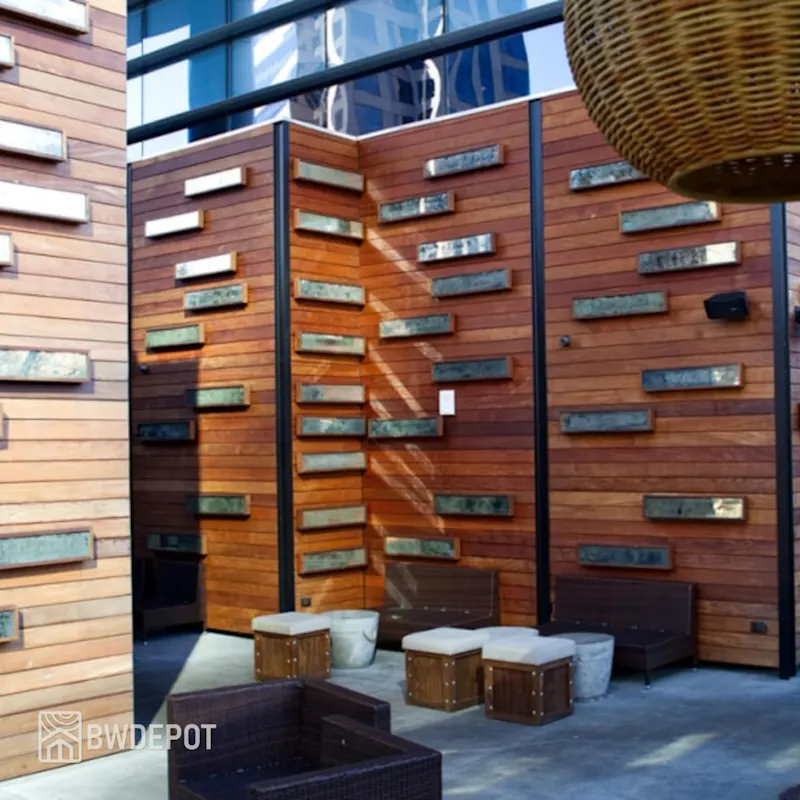
Ipe boards commonly range from medium brown to dark chocolate and may include olive, amber, or reddish undertones. Grain and coloration naturally vary between boards. Instead of being considered defects, these differences are part of the character of genuine hardwood.
For architectural projects where this natural appearance is desirable, Ipe Hardwood Siding can create an exterior with depth, texture, and board-to-board variation that manufactured materials attempt to reproduce.
Durability Is an Important Consideration
Exterior siding must withstand conditions that interior wood never encounters. Rain, humidity, insects, sunlight, and repeated environmental changes can all affect a building’s exterior.
Ipe’s density is one of the reasons it is widely associated with demanding outdoor applications. The species has natural resistance to rot, insects, moisture, and wear. Unlike pressure-treated lumber, its exterior durability does not depend on chemical pressure treatment.
This does not mean installation can be ignored. Even extremely durable hardwood benefits from an exterior wall system designed to promote drainage and drying.
Why the RainScreen Design Matters
A rainscreen installation differs from simply fastening boards directly to a wall. The hardwood siding is installed over furring strips, leaving an intentional cavity between the cladding and the underlying wall assembly.
That cavity provides two important functions: drainage and ventilation. Incidental moisture that reaches the area behind the siding has a pathway to escape, while circulating air helps the backside of the boards dry.
This approach recognizes an important characteristic of natural wood: it responds to moisture. Creating conditions that encourage more balanced drying can help support the long-term performance of the siding.
Consider Fasteners as Part of the Design
Fastening methods can have a significant impact on the appearance of an exterior wall. Rows of visible screws may be acceptable for some architectural styles, but premium contemporary projects often call for a cleaner surface.
Brazilian Wood Depot’s Real RainScreen Siding profile is designed to work with a proprietary H-Clip concealed fastening system. By positioning the fastening system behind the visible face of the boards, the installation allows the hardwood itself to remain the primary architectural feature.
Corners, doors, windows, transitions, furring strips, and trim should also be planned before installation begins so the entire façade functions as a coordinated system.
Maintenance Depends on the Desired Appearance
Ipe changes color when exposed to ultraviolet light. Fresh brown hardwood will gradually transition toward a silver-gray patina if it is allowed to weather naturally.
Homeowners who appreciate naturally aged wood can allow this process to occur. Those who want to maintain more of Ipe’s original brown coloration can periodically clean the siding and apply a suitable UV-protective hardwood oil.
The important distinction is that weathering and structural deterioration are not necessarily the same thing. The color change is primarily cosmetic.
Think Beyond the Initial Appearance
Comparing siding materials should involve more than deciding which product looks best when first installed. Buyers should consider natural durability, ventilation, maintenance expectations, fastening, weathering, and how the material will complement the overall architecture.
For projects that prioritize genuine wood, premium exterior performance, and a ventilated wall design, Ipe offers a compelling alternative to conventional cladding.
Contact Brazilian Wood Depot
Brazilian Wood Depot
6770 Buford Highway NE
Atlanta, GA 30340
Phone: 770-242-0045
Email: [email protected]
Hours: Monday-Friday, 7:00 a.m.-3:00 p.m. EST
Brazilian Wood Depot supplies Brazilian hardwood siding, decking, fencing, tongue-and-groove products, deck tiles, fasteners, and related products, with nationwide shipping available from its Atlanta location.